60 Years-old and Going Strong!
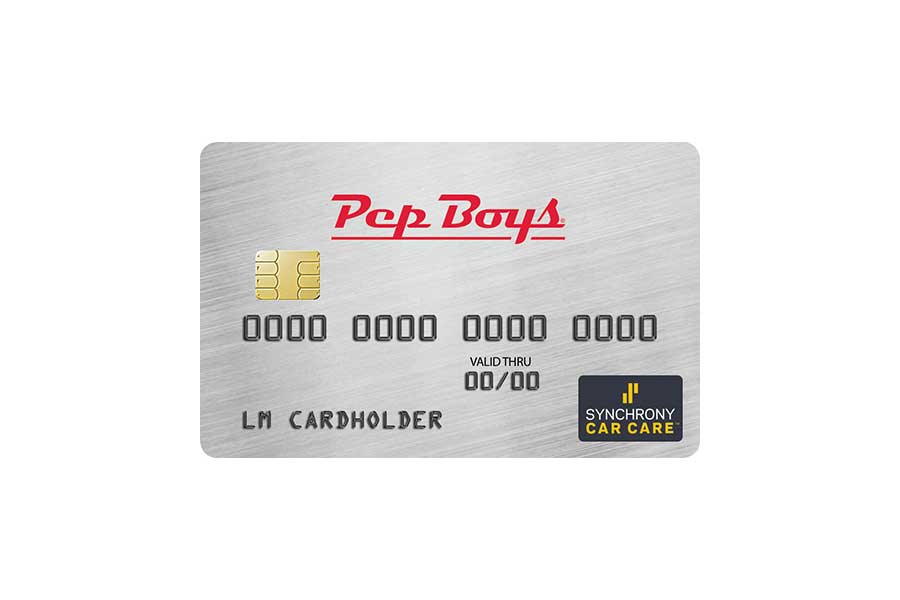
Ever since JC Penney introduced the first department store credit card, the trend has only grown and expanded. Today Sears, Penney’s, Walmart, Target, Macy’s, Kohl’s, Costco, Bloomingdale’s, and a veritable Who’s Who of other retailers, fuel companies, and home improvement stores offer their own credit card for in-store purchases.
Ten Benefits of Department Store Cards
1) More flexible payment options than standard credit cards
2) No annual fees
3) Special discounts for cardholders on products and/or services
4) Fraud protection
5) Online shopping specials for cardholders
6) Rewards points programs exclusively for cardholders
7) Affiliate business purchasing – i.e. JC Penney’s card can be used at CVS Pharmacy
8) Account opening specials – discounts and extended terms with no interest
9) Can help build or re-build credit
10) Cardholders receive info on sales, discounts, catalogs and other exclusive benefits
Five Concerns About Department Store Cards
1) Higher interest rates than regular credit cards
2) Limited credit lines
3) Lower payment amounts mean higher interest bearing balances
4) Not subject to federal regulations like regular credit cards
5) Credit extension terms can change unexpectedly
Department Store Credit Cards Help With Cash Flow
Properly managed, making purchases with a department store card can give consumers options for payments without increasing the cost of using credit. Many retailers offer 30, 60, and 90-day interest free periods as inducements for making a purchase. This is equal to free money. Paying off the credit balance in the program period can save a lot of money – especially on larger purchases.
Discounts and Rewards Programs Help Offset Interest Charges
Some retailers offer up to 15% discount for a purchase placed on their credit card. This savings helps offset interest charges. Combined with points rewards programs, the savings on the purchase plus the additional value of rewards points redeemable for other merchandise can add up to real savings.
Caution: Retailers With Many Curves Ahead
Retailers offer lower payments on their in-house cards because they want to earn the interest on the balances. One furniture retailer claims it makes no real profit on the sale of the items it finances, but it makes plenty of money on the interest charges and fees for financing the purchases. Consumers must exercise care not to allow balances to be carried for long periods of time or else all the initial advantages of using the card evaporate.
A Tool With a Specific Purpose
Unlike a bank credit card, the cards issued by retailers are intended to provide an easier way for consumers to buy their products – not their competitors. Home Depot has a credit card, just like Lowe’s, but one won’t work at the other store. For some, this helps keep purchases organized. Retail credit card statements provide much more detail on individual purchases than a bank or credit union credit card statement offers. Homeowners doing remodeling projects appreciate being able to put purchases on a card for just that one project or activity. Back to school buyers like putting all the purchases on one credit resource so that repayment can be made directly to the retailer with better terms than a bank card could offer.
Easier to Get Retailer’s Cards
Credit cards issued by retailers are generally easier to qualify for than bank-backed cards. Most consumers with a telephone number, a job, and a decent credit history can receive a retailer’s credit card. Bank cards are more difficult to get due to the regulatory oversight of the credit process in a banking environment and the higher credit limits many cards prefer to offer potential customers.
Better Leverage With Retailers
When products or services are purchased from a retailing operation, if anything is wrong with the products or services, the retailer is generally more responsive to solving the problem. With a bank card, a third party (the bank) has entered into the transaction and the bank expects to be paid regardless of the problem. If a full-blown dispute does occur, with a bank card it can take several months to clear up. Most retailers work toward solutions faster because they understand payment for the product or service won’t be forthcoming until the problem is resolved.
Facebook
AAAcreditguide.com on Facebook
Twitter
Ask us on Twitter!