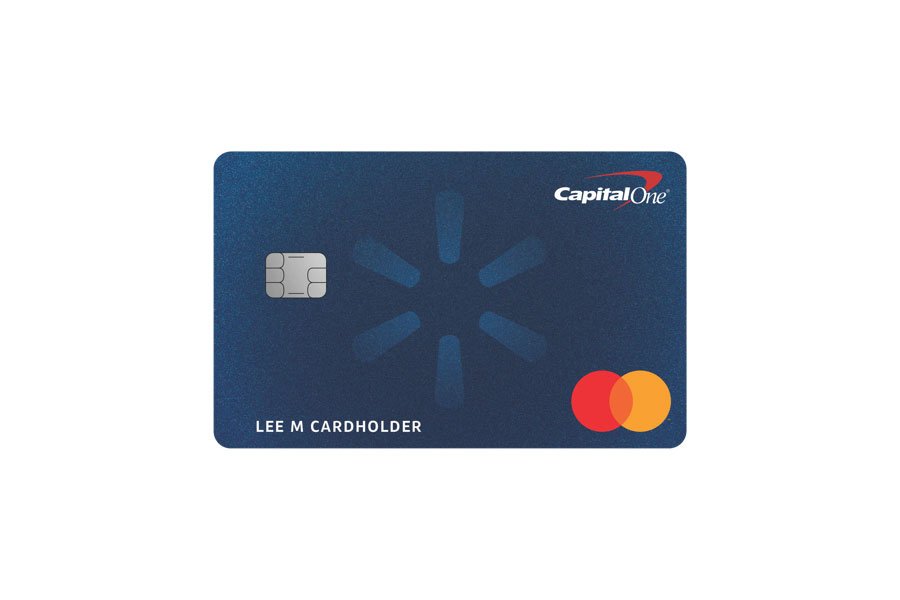
A strong credit history opens up a wide range of opportunities. For example, you can get great interest rates on major purchases like a home or car and become a prime candidate for apartments and jobs.

But if you’re just starting out with your finances, you may be confused over the best way to start building your credit. So we have gathered the best credit-building products available to those without a substantial credit history. We’ll also teach you powerful habits to successfully build credit from scratch.
In just a short amount of time, you’ll notice your credit score increasing and your access to credit becoming less expensive.
The longer and more positive your credit history is, the better rate offers you’ll receive. That means you’ll pay less interest and earn better rewards when you do decide to use a credit product.
5 Ways to Build Credit from Scratch
To build credit history, you have to use credit. The catch-22, though, is that most lenders and credit card companies don’t want to extend an offer to someone with no credit history.
This is because there is no indication of how able and willing you are to repay what you owe. Luckily, there are a few different products you can use to overcome this issue while taking baby steps into the world of credit.
1. Credit Cards for Beginners
Opening your first credit card gives you the chance to show that you can use credit responsibly. All you need to do is make regular on-time payments of at least the required minimum (or ideally, in full).
Secured Credit Card
There are a few different types of credit cards available to start building credit from scratch. The first is secured credit cards. To use a secured card, you’ll make a security deposit to the creditor, which will be the same amount as your credit limit.
See also: How to Build Credit With a Secured Credit Card
However, the security deposit won’t be used to pay off your monthly balance. Instead, it’s your responsibility to make the payments, which will help you establish credit. If you don’t pay off the balance in full, you’ll accrue interest. If you fail to pay altogether, your cash deposit is used as collateral. Try to find a secured credit card with a low annual fee. Furthermore, make sure it reports to all three credit bureaus.
Student Credit Card
Student credit cards are geared towards college students who are still in school. They can be a great tool for building credit from scratch.
You’ll probably have a relatively low credit limit and a high interest rate, but you could qualify for rewards, cashback, or a promotional offer. If you don’t want a cosigner, you’ll likely need some sort of income (even part-time) to get approved.
Store Credit Card
Another option to build credit from scratch is to get a department store card. However, like student credit cards, these usually have high interest rates.
You can only use them at a specific retail chain, but often receive perks like store discounts and coupons. They’re also quick and easy to get. The application process takes just minutes right at the sales counter.
See also: 8 Ways to Build Credit Without a Credit Card
2. Credit-Builder Loans
Credit-builder loans are becoming more popular, with several companies popping up that offer them. Sometimes, you can also find them at credit unions or small community banks.
But the good thing is that it’s a low-risk way to build credit or even rebuild a poor credit score. The way a credit-builder loan works is that you essentially repay the loan in advance of receiving any money.
Once you’re approved for the credit-builder loan, the money is transferred into a savings account, but you can’t access it yet. You then begin making monthly payments on your credit-builder loan, and once you pay it off, you get the funds.
Yes, you could simply put away your own money into savings and then use it, but that doesn’t help your credit scores. With a credit-builder loan, the lender reports your on-time payments to the credit bureaus. This lengthens your credit history and boosts your credit scores.
Check out Self. They allow you to take out a loan in increments ranging from $550 to $2,200. The money is held in a CD account and earns interest while you make monthly payments for a year. You can also check out our full review of Self.
3. Become an Authorized User
Becoming an authorized user on someone else’s credit card is one of the best options for building credit from scratch. You can ask a close family member or a friend with a good credit score if they will add you to an existing credit card account. Of course, the better their credit is, the more it will help you.
The credit card issuer will issue you a credit card in your name, linked to their account. However, you don’t ever actually have to use the credit card. You don’t even need to be given the card for the account to be reported on your credit report. Instead, when the primary cardholder makes charges and pays the bill on time, it will be reported on their credit report and yours.
Your family members or friends do have the option of giving you a credit card. However, they’re probably much more likely to add you if you tell them that you don’t want one. Explain to them that you would like them to add you as an authorized user, and there’s no way it can hurt their credit unless they were to actually give you a card.
Just remember, if you are an authorized user on an account that is paid late, it will negatively affect your credit score. So make sure the person you ask actually has a good credit score and always pays the bill on time.
4. Cosigner Loans and Credit Cards
Whether you’re looking for a loan or a credit card to build credit, you can use a cosigner to increase your chances of access to credit. In fact, if you’re a student and don’t have any income, you might be required to find someone over the age of 21 to serve as your cosigner. But don’t make this decision lightly.
Cosigners are legally obligated to pay your debt if you default. Not only that, your actions affect their credit. For example, just as late payments hurt your credit score, they hurt your cosigner’s score just as much.
It can also be challenging to remove a cosigner once they are on your credit card or loan. For example, you may have to do a balance transfer or pay it in full to remove a cosigner from a credit card account. You may even have to refinance to remove them from a loan.
5. Rent Reporting Services
Rent reporting services such as Rental Kharma and Rent Reporter offer to report your rent history to the three major credit bureaus. These services allow you to build credit by paying rent on time.
Rent reporting services generally cost between $50-$100 upfront and then charge a monthly service fee of $10-$15.

5 Habits to Help You Build Credit from Scratch
It takes more than getting a credit card or loan to build your credit scores. You also have to steward those accounts responsibly. A few routine habits will help keep your credit healthy, ensuring that your credit history is a positive one.
These steps strengthen your credit score and demonstrate that you are trustworthy with creditors’ money. That way, you’ll be able to borrow money if you need it, and at better rates.
1. Pay Your Bills On Time
Your payment history accounts for 35% of your credit score. This is the most heavily weighted category there is. So, it’s crucial to make timely payments every month to build credit.
This doesn’t just apply to credit cards: student loans, cell phone bills, and utility bills all report late and delinquent payments if you fail to pay. Making full, on-time payments is the fastest way to build credit. But, of course, making late payments or missing payments is the quickest way to trash it.
2. Carry Small Credit Card Balances (or none at all!)
When you get a credit card to build your credit history, the ideal scenario is to charge a small amount each month, then pay off your balance by the due date. Having a credit card isn’t a license to spend frivolously. Instead, it’s giving you the chance to prove yourself as a creditworthy individual.
If you do need to carry a balance for some reason, try to keep it under 30% of your credit limit. So, if you’re allowed to charge up to $1,000, you wouldn’t want to have a balance of more than $300 at any given time.
The lower balance, the better because you don’t want to spend outside your means and accrue outrageous interest that you’ll have to pay back over time.
3. Limit Your Number of New Accounts
You may qualify for any number of the credit products we discussed above. However, it’s wise not to overextend yourself by opening up every account you’re approved for. Account age is a factor in determining your credit score. So, new accounts bring down the average age of your overall credit accounts.
Not only that, your credit score is temporarily dinged a few points for every hard inquiry on your report. And hard inquiries are necessary to get approved for a loan or credit card. Plus, from a lender’s perspective, lots of open accounts might indicate that you’re desperate for credit and might not have steady finances.
4. Don’t Overuse Your Credit Cards
When you have a strategic number of credit cards, be sure not to max them out. Again, this makes you look like you’re reliant on credit just to get by.
Your amount owed also accounts for 30% of your FICO score—the second-largest category after payment history. The amount you owe compared to the amount of credit you have access to is your credit utilization ratio.
5. Lower Your Credit Utilization Ratio
If you have a high credit utilization ratio, it means you’re close to maxing out your accounts. This could indicate that you might have trouble making your payments in the future.
This is generally a bad sign and can hurt your credit scores. So, stay on top of your monthly payments right from the start to avoid getting bogged down later down the road.
When you’re strategic with your credit products and don’t rely on them for everyday purchases, you’ll build an excellent credit history right from the start.
Start by selecting one or two products that work for you, then make small purchases that are easy to repay each month. You’ll love watching your credit history expand over time. It’s a good idea to monitor your credit reports and check your credit score occasionally to track your progress.
See also: How to Start Building Credit at Age 18
Frequently Asked Questions
What is the best way to start building credit from scratch?
The best way to start building your credit is to become an authorized user on someone else’s credit card. However, many people don’t have that option.
In that case, opening a secured credit card, or taking out a credit builder loan are the best options, as long as you make on-time payments.
How long does it take to build credit from scratch?
It typically takes six months to a year to establish credit history. However, this time frame can vary depending on the steps you take to build credit and the amount of credit you have.
What is the difference between a secured credit card and a regular credit card?
A secured card requires a security deposit that is used as collateral, while an unsecured card does not require any security deposit. Secured credit cards can help build credit as long as you make on-time payments.
What should I do if I have a low credit score?
If you have a low credit score, it’s important to first check your credit report for any errors that may be dragging down your score. It’s also essential to make all of your payments on time and to keep balances low to help improve your credit score.